AI avatars for corporate video: three real examples
· 2 min read
An AI avatar captures a person or a character so it can keep presenting after the shoot day is over. Used well, it makes video updatable, translatable and interactive. Here are three projects we have worked on, and what each one shows.
Interactive avatar for a leadership event: Vaisala
Vaisala asked us for an interactive AI avatar for an internal leadership event. Their Head of Communications, Niina Ala-Luopa, described the result as high quality, adding a delightful and engaging element to the event.
The lesson: an avatar does not have to replace a film. It can be a feature of a live moment, something people talk to, and that makes the event more memorable.

An animated trainer in several languages: Hiab
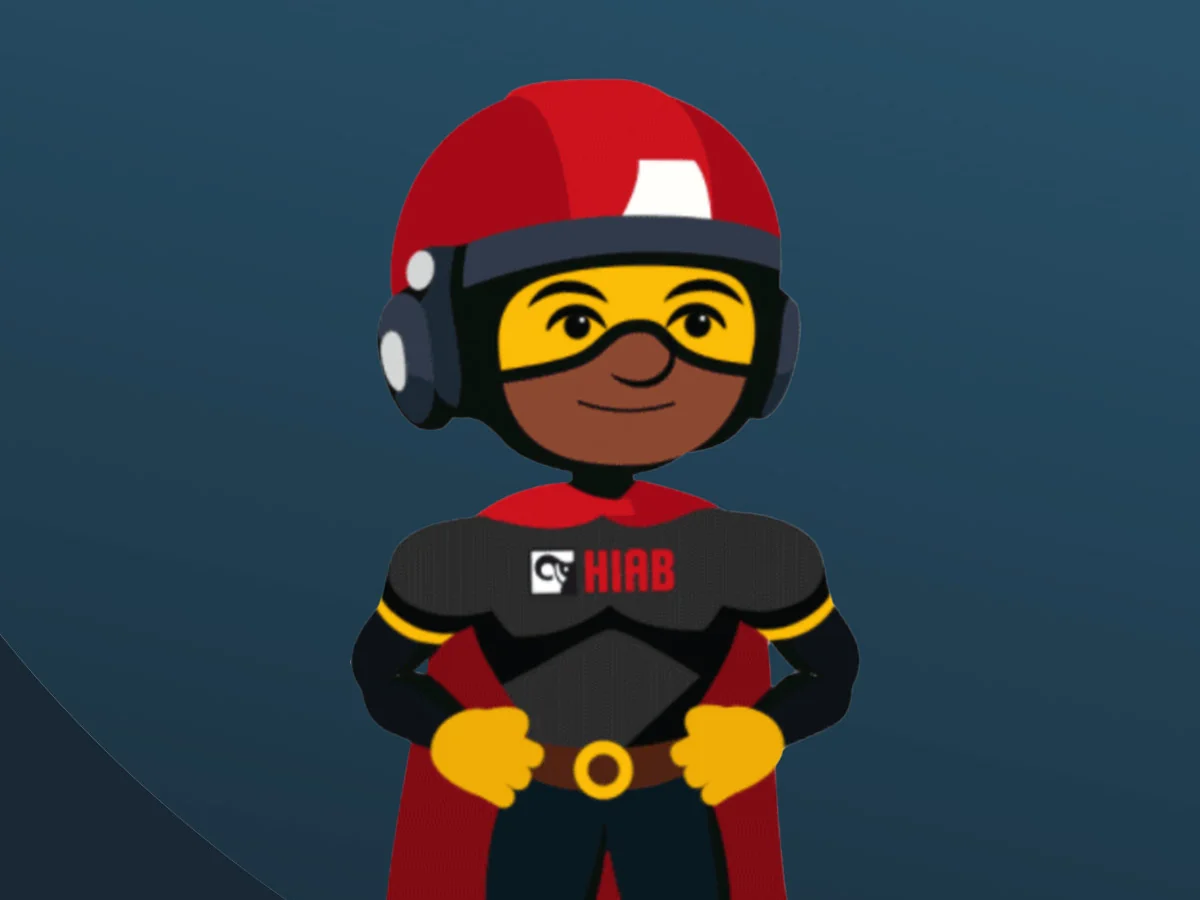
Hiab needed health and safety e-learning for a workforce across several languages, with content that changes as regulations change. We created Safety Sam, an animated avatar who presents the material.
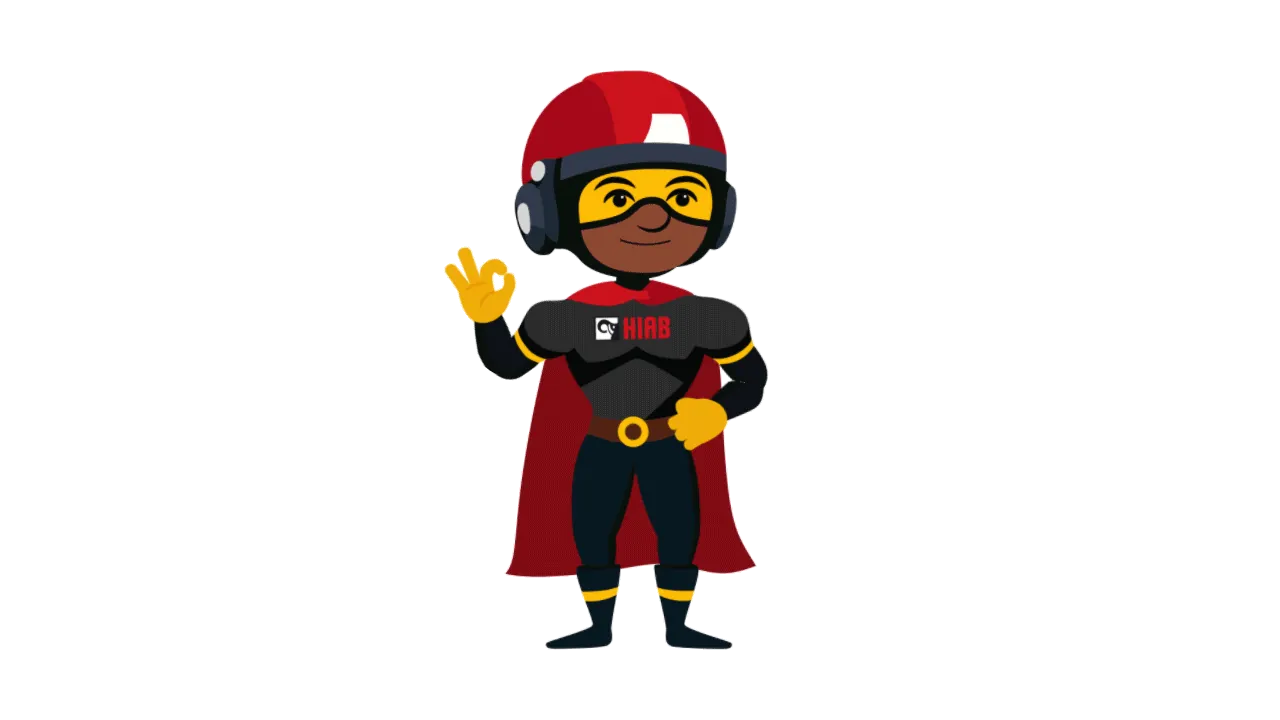
The lesson: choose an animated character when the content will be revised often. New languages and content revisions no longer mean a new shoot, so updates ship in days instead of production cycles. Read the case study.
Lectures that carry a teaching style: Aalto University Studios
Finnish-language lectures had a limited audience, and re-recording every course in English was not realistic for the faculty's time. We produced video avatars and voice clones tuned to capture each professor's actual teaching style and tone, rather than a generic reader.
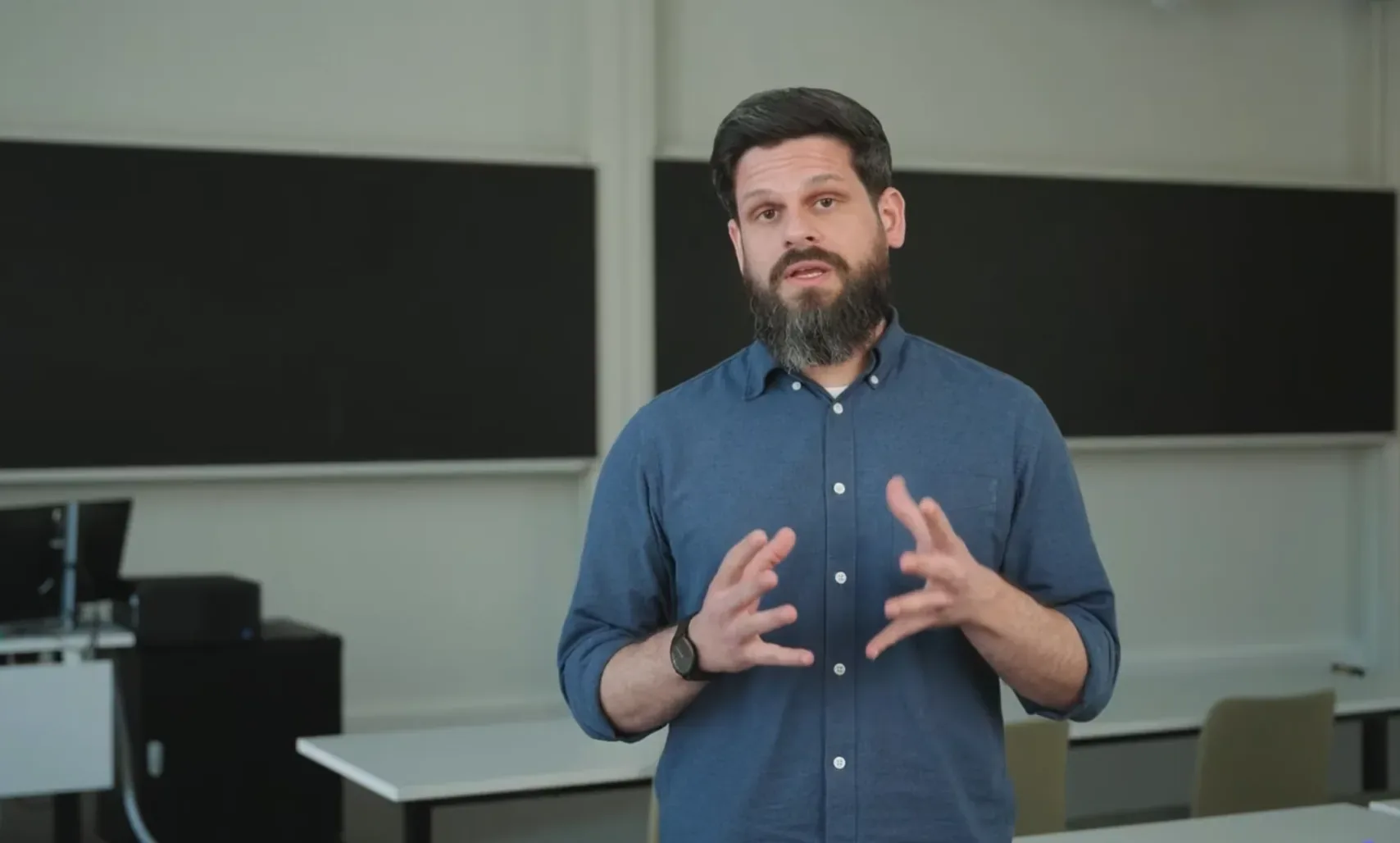
The lesson: fidelity to the person is what makes people accept an avatar. Students recognise a style, not just a face. Aalto Studio's producer, Hetta Huhtamäki, called the proof of concept an absolute delight to work on. Read the case study.
Choosing between the options
Avatars come in a few forms, and the choice matters:
- Avatar video: for marketing, sales, training and communications, where the content is scripted and updated.
- Interactive avatar: trained on your knowledge base so it can represent you to customers or colleagues in conversation.
- Likeness or character: a live-action likeness of a real person, or an animated character such as Safety Sam.
Questions to settle first
Before you commission an avatar, settle the practical questions: who gives consent for a likeness or voice, where the avatar will appear, who approves each new script, and who owns the output. These are people decisions, and they are quicker to settle early than after production.
Avatars are one building block of an AI media pipeline. If you are considering one, talk to us.